
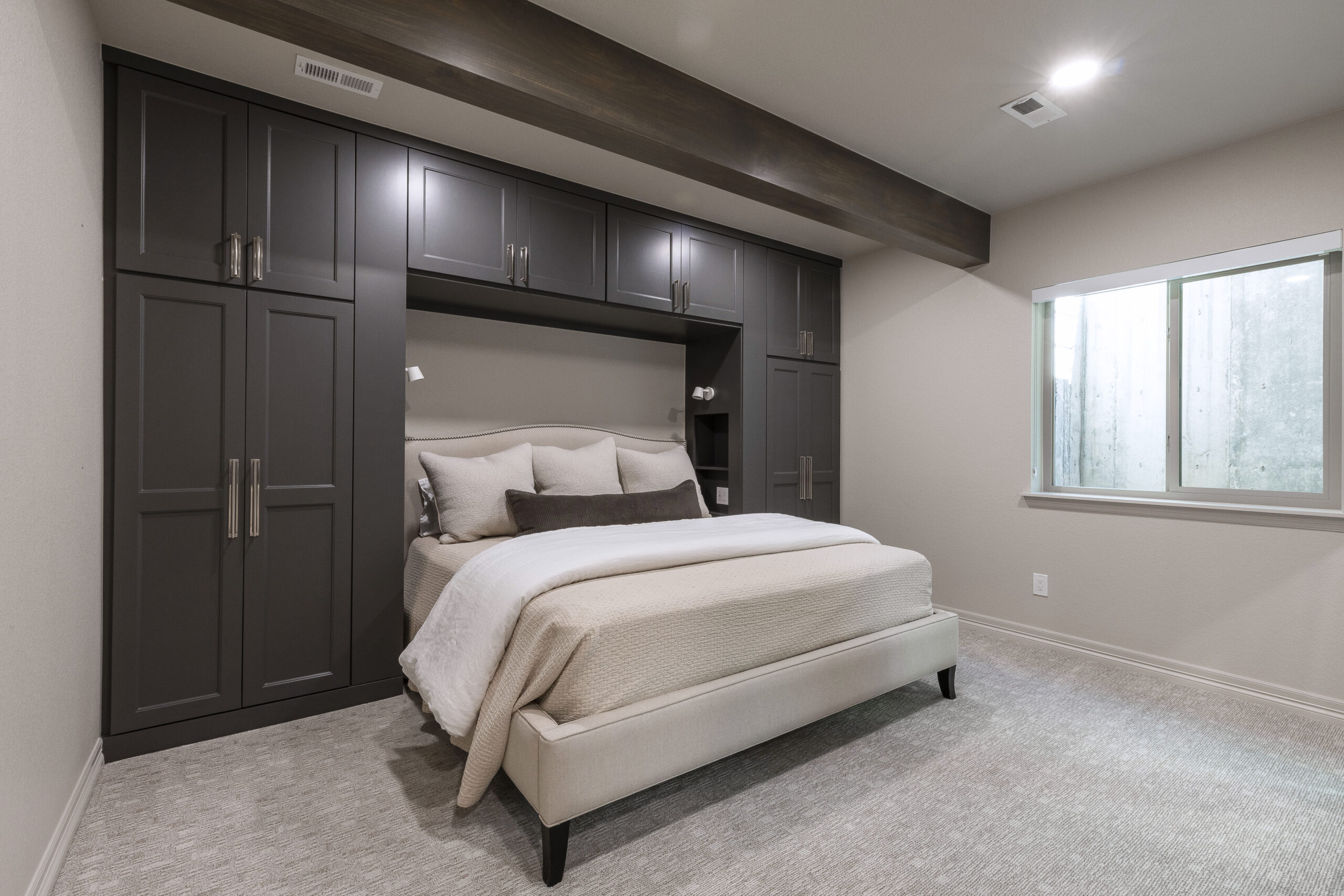
Turn unused square footage into a code-compliant bedroom—without guesswork
Colorado homeowners often finish basements to add a legal bedroom, increase resale value, or create flexible space for family changes. The keyword is legal: when a room is marketed, rented, or appraised as a bedroom, inspectors and appraisers will look for safety requirements like emergency escape (egress), proper ceiling height, and code-compliant electrical and alarms. This guide is written for Denver and the entire state of Colorado, with practical steps to help you plan a basement bedroom that can pass inspection and feel great to live in.
What makes a basement bedroom “legal” in Colorado?
In most Colorado jurisdictions, a basement bedroom must meet building code requirements for life safety and be constructed under the proper permit. Colorado is a local-code state, meaning the exact adopted code edition and amendments can vary by city/county. For example, Denver adopted new building and fire codes on June 13, 2025, incorporating the 2024 IRC, among other I-codes.
Even with local differences, the “big rocks” are consistent statewide: emergency escape and rescue (egress), safe stairs/handrails, compliant electrical, ventilation/heating, and the right smoke/CO protection. When you plan these early, you avoid expensive mid-project redesigns.
Egress: the non-negotiable requirement for basement bedrooms
A legal basement bedroom must have an emergency escape and rescue opening (most commonly an egress window) that a person can use to exit quickly in a fire. Basements and every sleeping room are required to have at least one operable emergency escape and rescue opening, and when a basement has sleeping rooms, each sleeping room needs its own egress opening.
| Egress requirement (typical IRC baseline) | What it means for your basement bedroom |
| Net clear opening area | At least 5.7 sq ft of usable opening (not the frame size). |
| Minimum opening width | At least 20 inches clear width. |
| Minimum opening height | At least 24 inches clear height. |
| Maximum sill height | Sill must be 44 inches or less above the finished floor (or you’ll need design changes). |
| Window well (when below grade) | Below-grade windows need a properly sized well; if deep enough, a permanent ladder/steps may be required. |
Practical note: “Net clear opening” is the space you can actually crawl through when the window is fully open—not the advertised window size. This is one of the most common reasons basement bedrooms fail inspection during remodeling.
Permits and code editions: why “Colorado rules” can change by city
A basement bedroom can be built beautifully—and still be considered “not legal” if it wasn’t permitted or inspected. The permit process also confirms which code edition applies in your jurisdiction. Denver, for example, adopted updated codes in mid-2025 and incorporated the 2024 IRC.
Outside Denver, other counties and cities may adopt at different times. Some areas update on a delayed schedule, and many jurisdictions add local amendments (especially around energy, electrical readiness, or unique climate considerations).
Step-by-step: planning a code-compliant basement bedroom (Denver + all Colorado)
1) Start with the egress location (not the bed location)
Identify which wall can support an egress window or door, accounting for exterior grade, window well space, and any utilities. If you choose the room layout first, you may box yourself into a corner where egress becomes costly or impossible.
2) Confirm ceiling height and duct/beam conflicts early
Low beams, bulkheads, and duct runs can turn a “simple bedroom” into a re-engineering project. Measure your worst-case clearance (not just open areas), then decide whether soffits can be designed cleanly—or if mechanical rerouting is needed.
3) Build your permit set around life safety
Plans should clearly show the bedroom, the egress opening size/type, smoke/CO alarm locations, and how the basement is heated/ventilated. Inspectors want to see that a real person can escape a fire, not just that the room “looks finished.”
4) Treat moisture control as part of “legal,” not optional comfort
While “legality” is mostly code and permits, moisture problems can derail inspections (and ruin finishes). Use appropriate insulation/vapor strategies for your part of Colorado, avoid trapping moisture behind the wrong materials, and address exterior drainage when needed.
5) Plan electrical and alarms to meet current standards
Code requirements for alarms can be stricter than people remember. If you’re finishing a basement bedroom for a rental or voucher program, be aware there are updated standards (effective December 31, 2024) that address smoke alarm power/battery type and carbon monoxide detector placement expectations for certain federally-assisted rentals.
Did you know?
- Egress is measured by net clear opening, not the window label size—many “big” windows still fail when opened.
- Denver’s current code framework (adopted June 13, 2025) incorporates the 2024 IRC, so older online advice may not match what your inspector uses now. Colorado energy code requirements are largely enforced locally; the state sets minimums that apply when jurisdictions adopt/update codes (especially tied to IECC).
Common pitfalls that make a “bedroom” not count
- No dedicated egress opening in the sleeping room
- Sill too high (over 44″) or window well not sized/accessible properly
- Room finished without permits/inspections (creates appraisal and resale issues)
- Mechanical and insulation choices that create chronic moisture or comfort problems
Local angle: Denver permitting vs. the rest of Colorado (what to do statewide)
If you’re in Denver, you’re working under a jurisdiction that adopted updated I-codes on June 13, 2025, incorporating the 2024 IRC and related codes. That matters because your inspector may be referencing a newer code section number, updated details, or newer administrative rules than those of a nearby town.
Across all of Colorado, the best move is to confirm (1) your city/county adopted code edition, (2) local amendments, and (3) whether your scope triggers energy-related requirements. The safest workflow is: verify rules first, design second, build third.
Pro planning tip: If your goal is resale value, talk to your remodeler about building the bedroom so it appraises cleanly: clear egress documentation, permitted work, and a layout that feels like a true bedroom (not a pass-through room or awkward corner).
Ready to design a legal basement bedroom that can pass inspection?
ElkStone Basements specializes exclusively in basement renovations across the Front Range and beyond—so your layout, egress plan, and finish details work together from day one.
Request a Free Basement Consultation
Prefer a faster path? Explore Express Basement Finishing or see Custom Basement Finishing options.
FAQ: Legal basement bedrooms in Colorado
Sleeping rooms must have an emergency escape and rescue opening. In a basement, that’s usually an egress window (or a code-compliant exterior door in some layouts). Basements and sleeping rooms have specific egress expectations in IRC-based codes.
Typical IRC baseline minimums include 5.7 sq ft net clear opening, at least 20″ wide, at least 24″ tall, and a sill no higher than 44″ above the floor.
Usually yes, but the room still needs compliant egress and may require opening walls/adjusting layout. Many homeowners add egress after the fact; the key is designing it so the net clear opening and sill height actually pass.
They can. Denver adopted updated building and fire codes on June 13, 2025, incorporating the 2024 IRC and other code books, and other jurisdictions may be on different editions or timelines.
A permitted, code-compliant bedroom typically supports resale and appraisal better than an unpermitted “bonus room.” Value depends on neighborhood comps, overall finish quality, and whether the basement layout feels like true living space (privacy, natural light, storage, and comfort).
Ready to transform your space with a beautiful, functional basement? ElkStone Basements serves homeowners throughout Colorado and Utah with expert design and build services tailored to your needs. Don’t wait to unlock the potential in your home — get started today! Visit to schedule your consultation and take the first step toward your dream basement.
Glossary (quick definitions)
Egress (Emergency Escape and Rescue Opening)
A code-required opening (often a window) that provides a safe emergency exit from a sleeping room or basement. Size is measured by net clear opening.
Net Clear Opening
The actual unobstructed space you can pass through when the egress window is fully opened—different from the window’s advertised size.
Window Well
The excavated area outside a below-grade egress window creates enough space to climb out; deeper wells may require a permanent ladder or steps.


Recent Comments