
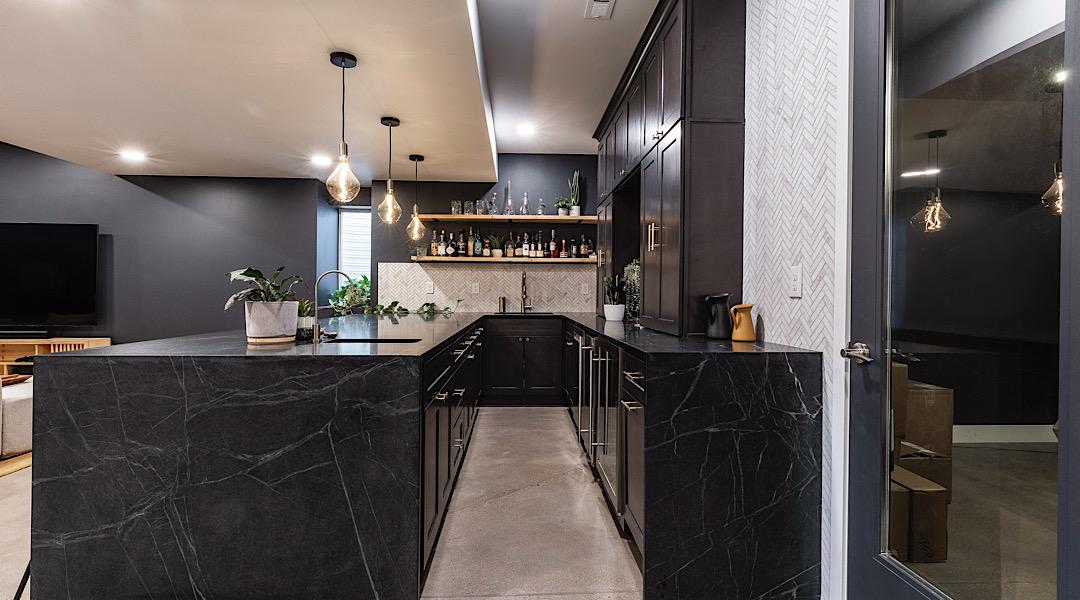
A faster basement finish starts with fewer surprises behind the walls
If you’re planning a basement remodel along Colorado’s Front Range, speed and predictability matter—especially when you’re trying to hit summer timelines. Most “schedule blow-ups” don’t come from paint colors or tile choices. They come from a handful of preventable basement finishing mistakes: moisture assumptions, code misses, scope gaps, and layout decisions that force rework later. Below is a practical, contractor-minded guide to avoiding the most common pitfalls, keeping inspections smooth, and getting a finished basement that feels intentional—not improvised.
The 10 most expensive basement finishing mistakes (and what to do instead)
1) Starting finishes before solving moisture and water risk
Paint, carpet, baseboards, and cabinetry fail fast when moisture is treated like an “if it happens” issue. Colorado’s spring storms, irrigation cycles, and snowmelt can create seasonal moisture patterns that don’t show up during a quick walkthrough.
Do this instead: Before framing, confirm downspouts discharge away from the home, verify grading/slope, identify any foundation seepage points, and choose basement-friendly finishes (for example, LVP, tile, and rubber gym flooring in high-use zones; carpet where you want warmth and comfort).
2) Ignoring radon until the basement is already “pretty”
Radon is a big deal in Colorado, and mitigation is easiest when you plan for it early. Routing pipe, placing the fan, and keeping the run clean is far simpler before drywall and built-ins. Many guides recommend testing and addressing radon before walls go up, and the EPA action level is commonly referenced at 4 pCi/L.
Do this instead: Test early, decide whether you’ll mitigate now or “rough-in” for a clean future install, and make sure the mitigation layout won’t conflict with planned soffits, theater bulkheads, or storage rooms.
3) Designing a “bedroom” that can’t legally be called a bedroom
If you want a basement bedroom, the egress plan cannot be an afterthought. Building codes require compliant emergency escape and rescue openings for sleeping rooms, and Colorado jurisdictions generally follow IRC-based requirements with local amendments.
Do this instead: Lock the bedroom location early, then confirm the window/well sizes and sill height requirements with your local building department before you finalize framing.
4) Underestimating permit and inspection timing
“We’ll pull the permit later” is a classic schedule killer. Even when the scope is straightforward, plan review cycles and inspection availability can become your critical path—especially in peak season.
Do this instead: Build a timeline that includes: design finalization → permit submission → plan review → rough inspections (framing/MEP) → insulation → drywall → finals. If you’re aiming for a fast turnaround, a defined “express” scope can reduce decision lag.
5) Getting insulation and vapor control wrong for below-grade walls
Basements behave differently from above-grade walls. If insulation and vapor control aren’t designed for below-grade concrete conditions, you risk condensation, odor, and long-term material damage. Some Colorado jurisdictions even publish specific basement finish guidance (and it can differ by city/county), so “what your friend did” may not pass where you live.
Do this instead: Have your contractor align the wall assembly with your local requirements and the home’s actual conditions (foundation type, drainage, humidity). Treat “insulation strategy” like a design decision—not a line item.
6) Forgetting mechanical planning: HVAC, returns, and fresh air
A basement that looks amazing but runs hot, cold, or stale won’t get used the way you planned. Home theaters, gyms, and large rec rooms can need more airflow than homeowners expect.
Do this instead: Confirm supply/return strategy, consider sound control for ducts near theater spaces, and plan dehumidification if the basement will be heavily occupied.
7) Planning a wet bar/kitchenette without thinking through plumbing reality
Adding a sink, dishwasher, or fridge is a lifestyle upgrade—but it can trigger surprises: drain routing, venting, backwater protection needs, and soffit impacts that steal headroom.
Do this instead: Place wet features near existing plumbing when possible, and finalize appliance specs early so electrical and cabinet layouts are accurate the first time.
8) Choosing finishes that don’t match how basements actually get used
Colorado basements often become the “everything room”: kids, pets, workouts, movie nights, guests. The most common regret is selecting finishes for looks alone—then discovering they’re noisy, hard to maintain, or not water-tolerant enough for real life.
Do this instead: Mix materials by zone: durable flooring in traffic paths and bar areas, softer flooring where you want warmth, and rubber where equipment will live.
9) Not planning electrical around “future-proof” needs
Finished basements change. What starts as a rec room becomes a homework zone, then a home gym, then a guest suite. Skipping outlets, data runs, or dedicated circuits is a small savings that can be painful later.
Do this instead: Plan lighting layers (ambient + task + accent), add extra outlets where furniture could move, and pre-wire likely upgrades (projector, speakers, network).
10) Accepting a vague scope (which guarantees change orders)
When a proposal doesn’t clearly define what’s included (and excluded), the project becomes a string of midstream decisions. That’s exactly how “fast basement finishing” becomes “we’re still waiting on…”
Do this instead: Require a written scope that spells out layouts, electrical plan assumptions, plumbing points, permit responsibility, allowances, and a clear selection process.
Quick comparison: “Express” finishing vs. fully custom finishing
| Decision factor | Express basement finishing | Custom basement finishing |
|---|---|---|
| Best for | Homeowners prioritizing speed, predictable scope, fewer selections | One-of-a-kind layouts: theaters, wet bars, specialty rooms, detailed trim work |
| Timeline risk | Lower (fewer variables) | Higher (more decisions + longer lead times) |
| Budget control | Strong (defined inclusions) | Strong if the scope is detailed; weaker if allowances are vague |
| Design freedom | Curated options | Maximum flexibility |
If your priority is a predictable schedule for summer, a defined-scope approach (like an express package) can reduce the biggest source of delays: mid-project decisions and material lead times.
A step-by-step plan to avoid basement finishing mistakes
Step 1: Confirm what the basement will be used for (and what it might become)
Decide whether you need a legal bedroom, a bathroom, a wet bar, a gym, or a theater. This single decision drives egress, plumbing routing, electrical, sound control, and HVAC needs.
Step 2: Do the “unsexy” checks early
Moisture risk, radon plan, and insulation/vapor strategy should be resolved before layout drawings are finalized. This is where fast basements are won.
Step 3: Lock the scope before you lock the schedule
A realistic timeline depends on a realistic scope. If you’re adding a kitchenette, wet bar, theater, or bathroom, you want those details documented up front.
Step 4: Choose basement-appropriate materials
Favor flooring and trim details that can handle real basement living. For many Colorado families, that means LVP or tile in high-traffic areas, carpet where comfort matters, and rubber flooring in workout zones.
Colorado angle: Front Range realities that affect basement finishing
Along Colorado’s Front Range, homeowners often juggle tight family schedules and seasonal urgency (school breaks, hosting, visitors). That pushes many projects into “summer sprint” mode—where a single inspection miss or backordered specialty item can derail the plan.
The best way to protect your timeline is to pick a contractor with a repeatable process: clear scopes, early verification of code-impacting items (egress, ceiling height constraints, mechanical needs), and a selections system that prevents last-minute changes.
Helpful pages to explore based on your goals: Express Basement Finishing, Custom Basement Finishing, Basement Design Ideas, Portfolio.
Want a predictable basement finishing timeline?
ElkStone Basements specializes exclusively in basement renovations—helping Colorado homeowners reduce surprises, keep scopes clear, and finish faster with a process designed for real-world scheduling.
FAQ: Basement finishing mistakes (Colorado)
Do I need an egress window if I’m not adding a bedroom?
Many jurisdictions require at least one compliant emergency escape and rescue opening for a finished basement space, and sleeping rooms require their own egress. Requirements can vary by local amendments, so confirm with your local building department before finalizing plans.
What’s the biggest mistake that causes delays?
A vague scope paired with late selections. If layouts, electrical plans, and plumbing locations aren’t finalized up front, the schedule gets eaten by change orders, rework, and inspection rechecks.
When should I test for radon if I’m finishing my basement?
Early—before walls go up—so you can plan mitigation routing cleanly if needed. Many homeowner guides reference mitigating when levels exceed 4 pCi/L and emphasize addressing it prior to finishing work.
What flooring is best for finished basements?
The best choice depends on use. Many Colorado homeowners prefer LVP for durability, tile in wet zones, carpet for warmth in lounge spaces, and rubber flooring in home gyms. The key is to match materials to moisture risk and traffic patterns.
Can I convert my basement into a rental unit?
Possibly, but it’s highly jurisdiction-dependent. Accessory dwelling unit (ADU) and rental rules can be restrictive, and approvals aren’t guaranteed. If a rental/ADU plan is part of your goal, verify zoning and permitting requirements with your city or county before design begins.
Glossary
Egress (Emergency Escape & Rescue Opening)
A code-required opening (often a window) that provides a safe way to exit during an emergency. Commonly required for basement bedrooms and often required for finished basements, depending on local code interpretation.
Window Well
The excavated area outside a basement window allows the window to open fully for egress and lets in light. Sizing and ladder/step requirements can apply.
Radon Mitigation
A system (often a fan and piping) designed to reduce radon gas levels by venting soil gases from beneath the home to the exterior.
MEP (Mechanical, Electrical, Plumbing)
The systems that make the space function: heating/cooling/ventilation, wiring/lighting, and water/drain lines—typically inspected at the rough-in stage before drywall.

Recent Comments