
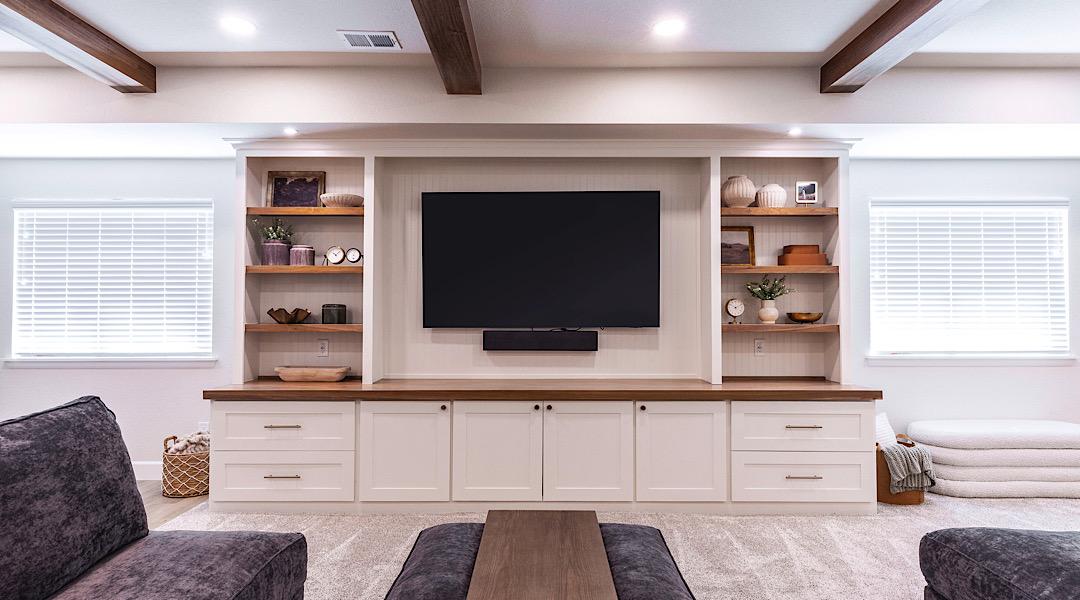
Fast doesn’t have to mean chaotic—if the scope is clear and the sequence is protected.
Colorado summers move fast. School’s out, family schedules fill up, and if you’re planning a basement finish you’re probably not in the mood for “we’ll see” timelines. A 6–8 week basement finishing timeline is realistic for many projects when the design decisions are made early, materials are selected with lead times in mind, and your contractor runs a tight, basement-specific process. This guide breaks down what typically happens each week, what causes delays along the Front Range, and how to keep your schedule predictable.
What “6–8 weeks” usually means
This timeframe generally refers to construction time once permits (if required) are in hand and materials are selected. If you add custom cabinetry, specialty tile patterns, a bathroom with complex plumbing changes, or a theater room with advanced wiring/acoustics, the schedule can extend.
The biggest schedule driver
The “hidden” timeline killer isn’t usually drywall—it’s decisions and lead times. If you’re waiting to choose flooring, cabinetry, or plumbing fixtures after the project starts, the job can stall while trades reschedule.
Best fit for 6–8 weeks
A defined layout (family room + rec space + storage), or a straightforward add-on like a wet bar or kitchenette using readily available materials, is commonly compatible with a 6–8 week build window.
A realistic week-by-week basement finishing schedule
Every home is different, but the sequence below is a dependable framework. If a contractor can’t explain their sequence clearly, timeline predictability usually suffers.
| Week | Typical Work | Homeowner “Speed Moves” |
|---|---|---|
| Pre-Start (1–3+ weeks) | Final scope, selections, drawings, and (when applicable) permit submittal/approval. Order long-lead items (cabinets, specialty tile, glass, custom doors). | Lock your layout early. Choose fixtures/finishes up front. Confirm what’s owner-supplied vs contractor-supplied. |
| Week 1 | Site protection, demo (if needed), layout, framing, and any structural prep. Window well or egress planning may be addressed early if part of scope. | Clear storage areas and access paths. Decide locations for TV wall, bar, gym mirrors, and storage niches now—not after drywall. |
| Week 2 | Rough mechanicals: electrical, plumbing, HVAC adjustments, low-voltage (internet, speakers), and bath fan routing if adding a bathroom. | Choose lighting style (recessed vs decorative), outlet/switch placement, and any EV/fitness equipment power needs. |
| Week 3 | Inspections (where applicable), insulation, and drywall hanging. If you’re doing a theater room, sound-control strategies are typically installed before drywall. | Confirm door swings and trim style. Make sure any “future-proof” items (extra outlets, conduit, blocking) are included before walls close. |
| Week 4 | Drywall finishing (tape/mud/sand), prime/paint, and interior doors. This is a time where quality control matters—rushing shows. | Keep basement access available for crews. If you have pets/kids, plan for dust-control days. |
| Week 5 | Trim, cabinetry (wet bar/kitchenette), tile work (bathrooms, bar backsplash), and countertop templating as needed. | Approve cabinet layout early. If doing tile, decide on pattern direction and grout color before the installer arrives. |
| Week 6 | Flooring installation, finish electrical/plumbing (lights, switches, faucets), HVAC registers, and punch-list starts. | Plan furniture delivery after floors cure/set. Avoid scheduling movers on “maybe” days—use the walkthrough date. |
| Weeks 7–8 (as needed) | Countertop install, specialty finishes (fireplace surround), final inspections, touch-ups, final clean, and final walkthrough. | Walk the space with a checklist: doors, trim, paint, outlets, drains, ventilation, and lighting scenes. |
Why basement timelines slip (and how to prevent it)
1) Unlocked scope
Adding a bathroom, moving walls, or changing a wet bar layout midstream affects rough plumbing/electrical and may require rework. The fix: finalize layout and “feature” decisions before Week 1.
2) Material lead times
Specialty cabinets, custom glass, and some countertops can drive scheduling. The fix: select and order early, or choose readily available alternates.
3) Inspection timing (when applicable)
A smooth timeline depends on passing rough inspections and getting finals scheduled without long gaps. The fix: work with a contractor who handles basements often and plans inspections into the schedule.
Code note (common Colorado basement topic): If you’re adding a bedroom, egress requirements often come into play. Many jurisdictions reference IRC Section R310 for emergency escape and rescue openings, and local submittal checklists commonly call out egress details on plans. Always confirm requirements with your local building department and your contractor’s plan set.
Did you know? Quick timeline facts that impact your schedule
Basement work is indoor, but your timeline can still hinge on scheduling: inspections, trade availability, and product lead times.
Bathrooms add complexity: waterproofing steps, tile cure times, and finish plumbing can push a “simple finish” into the longer end of the range.
Cabinets can be a bottleneck if they’re custom-ordered late. If a wet bar is part of your plan, order early.
Step-by-step: How to protect a 6–8 week finish window
1) Build a “no-surprises” scope before you sign
Ask for room-by-room scope clarity: what’s included for framing, lighting counts, HVAC adjustments, trim level, and flooring transitions. Fast timelines come from fewer change orders.
2) Choose basement-appropriate flooring early
For Colorado basements, many homeowners prioritize durability and moisture tolerance. If you’re selecting from common basement-friendly options like LVP, tile, carpet, or rubber gym flooring, make the choice before drywall is finished so ordering and acclimation don’t slow down flooring week.
3) Treat “feature areas” as mini-projects
Wet bars, theater rooms, fireplaces, and gym buildouts each have their own sequencing (power, blocking, ventilation, specialty finishes). Make those decisions upfront so rough-ins happen once.
4) Confirm inspection responsibility and scheduling
If permits/inspections apply, confirm who schedules them, what the pass/fail process looks like, and how quickly re-inspections occur if something needs adjustment.
5) Keep access easy and decisions fast
A 24–48 hour turnaround on questions keeps trades moving. If you’ll be traveling, designate a decision-maker who can approve items quickly.
Which basement finish types fit a 6–8 week timeline?
| Basement Area | Timeline-Friendly When… | Common Time Extenders |
|---|---|---|
| Family / Rec Room | Open layout, standard lighting plan, minimal plumbing. | Major HVAC rework, complex built-ins, specialty wall finishes. |
| Wet Bar / Kitchenette | Cabinets/fixtures selected early; simple plumbing tie-ins. | Late cabinet orders, specialty counters, custom glass shelving, intricate tile. |
| Basement Bathroom | Existing rough-ins; straightforward shower/vanity choices. | Breaking slab for new drains, custom shower details, niche-heavy tile designs. |
| Theater / Specialty Room | Audio/video plan set before rough electrical; defined seating/layout. | Late A/V changes, special-order lighting, custom acoustic treatments after drywall. |
If you want a faster, more predictable build, consider a streamlined package approach. ElkStone Basements offers an Express Basement Finishing option designed for speed and accessibility, while still leaving room for smart upgrades.
Colorado-specific scheduling realities (Front Range)
In Colorado, a “good” basement timeline often comes down to how well your project navigates peak-season demand and municipal process steps.
Summer demand is real: Many homeowners aim for projects between late spring and early fall. To hit a summer completion target, you usually want design/selections locked and a start date reserved ahead of time.
Egress and “bedroom” definitions: If you plan to call a room a bedroom, requirements like emergency escape and rescue openings can change the scope. Plan this early to avoid rework.
Moisture and durability choices matter: Basements are below-grade spaces. Choosing materials and assemblies intended for basements helps prevent callbacks, repairs, and timeline disruption down the road.
If you’re finishing a basement outside Colorado—ElkStone also provides basement finishing in Utah with the same basement-specialist focus.
CTA: Get a predictable schedule (and a basement you’ll actually use)
If you’re comparing contractors and timelines, ask for a clear sequence, a defined scope, and a plan for keeping trades moving. ElkStone Basements specializes exclusively in basements—family rooms, rec rooms, wet bars, theater rooms, bathrooms, gyms, and fully custom designs—so the process is built for speed and repeatable quality.
Request a Free Basement Finishing Consultation
Want inspiration while you plan? Browse our portfolio or explore basement design ideas.
FAQ: Basement finishing timeline (Colorado)
Is 6–8 weeks realistic for a finished basement?
It can be, especially for a defined scope and readily available materials. The strongest predictor is how early the layout, selections, and special features (bath, wet bar, theater wiring) are finalized.
What usually adds weeks to a basement finishing timeline?
Late design changes, long-lead cabinetry/counters, added plumbing complexity (especially bathrooms), and gaps created by rescheduling trades. A basement-specialist process helps prevent these gaps.
Do I need permits to finish a basement in Colorado?
Many areas require permits for finishing work, particularly when adding or altering electrical, plumbing, or mechanical systems, or creating sleeping rooms. Requirements vary by city/county—your contractor should confirm what applies to your address.
How do wet bars and kitchenettes affect the schedule?
They’re timeline-friendly when the cabinet layout, sink/fridge decisions, and electrical needs are set early. If cabinetry and countertops are ordered late, the basement can be “almost done” but unusable while waiting for installs.
What’s a smart way to finish faster without cutting corners?
Use a defined package scope, finalize selections before construction, and choose materials with reliable availability. If speed and predictability are priorities, consider a streamlined option like Express Basement Finishing.
Where can I see examples of finished basements ElkStone builds?
Start with ElkStone’s basement portfolio, then explore specific spaces like wet bars, theater rooms, rec rooms, bathrooms, and home gyms.
Glossary (quick definitions)
Rough-in
The early phase when plumbing, electrical, HVAC, and low-voltage lines are installed before drywall.
Punch list
A final checklist of small adjustments (touch-up paint, door alignment, trim details) completed before closeout.
Egress (emergency escape)
A code-related requirement for emergency escape and rescue openings—commonly relevant when adding sleeping rooms in basements.
LVP
Luxury Vinyl Plank—often chosen for basements because it’s durable and easier to maintain than many wood-based options.

Recent Comments