
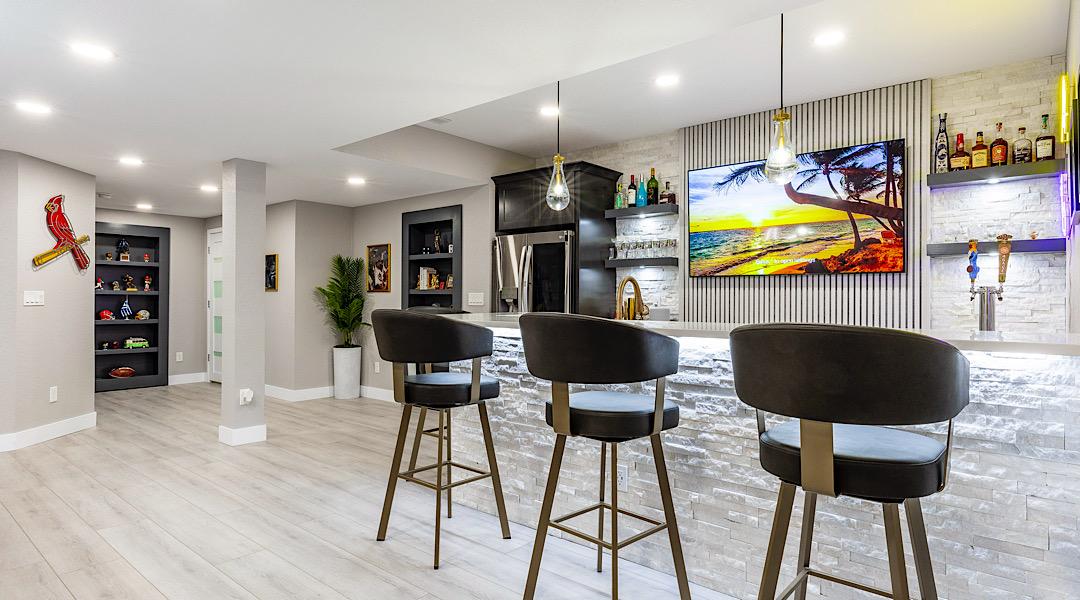
A practical checklist for decisive, risk-aware Utah homeowners
If you’re hiring a basement remodel contractor in Utah, your best outcomes come from two things: (1) clear scope and communication, and (2) a build plan that won’t get stalled by plan review or inspections. A basement is a unique environment—moisture behavior, mechanical airflow, egress safety, and radon considerations can all shape the design. This guide breaks down what to ask, what to verify, and what a permit-friendly plan looks like when you want a fast timeline without cutting corners.
Start with the “non-negotiables” that drive basement success
Great basement remodels aren’t just about finishes. They’re about life safety (egress, smoke/CO alarms), comfort (balanced HVAC, insulation details), and durability (moisture management and material choices that won’t fail in below-grade conditions). A contractor who leads with these fundamentals is usually the one who delivers a smoother build and fewer surprises.
Why Utah basements remodel differently than “the rest of the house”
Utah’s climate can feel “dry,” but basements still behave like basements: concrete can hold and transmit moisture, temperature swings can create condensation, and airflow changes (adding rooms and doors) can make a previously comfortable basement feel stuffy or cold.
On top of that, many Utah cities require permits for common basement work—framing, electrical, plumbing, and HVAC changes—so the contractor you choose needs a system for documentation, scheduling inspections, and correcting issues quickly if a plan reviewer asks for revisions.
Did you know?
Bedrooms typically trigger egress requirements. If a basement plan adds a sleeping room, you should expect a code-compliant emergency escape route—often an egress window with specific clear opening and well dimensions.
Radon is common in Utah. The EPA action level for radon is 4.0 pCi/L, and Utah DEQ encourages testing and mitigation when levels are elevated.
“Show HVAC” is a frequent plan review note. Many permit submittals get delayed when supply/return air plans or equipment clearances aren’t clearly documented.
A step-by-step hiring checklist for a basement remodel contractor in Utah
Use the steps below when comparing bids and interviewing contractors. The goal is to confirm they can build a basement that’s inspectable, comfortable, and built to last—not just “looks nice on day one.”
1) Ask what scope triggers permits in your city (and who pulls them)
In most Utah jurisdictions, permits are commonly needed for finishing an unfinished basement, adding/altering walls, running new circuits, adding plumbing fixtures (bathroom, wet bar, kitchenette), and modifying HVAC. A reliable contractor should explain the permit path, typical inspections (rough + final), and what documents the city wants (plans, HVAC layout, window sizes, etc.).
2) Verify how they handle basement bedrooms (egress + alarms + ceiling height)
A “bedroom” is more than a closet and a door. It can trigger emergency escape (egress), smoke alarms, carbon monoxide alarms, and minimum height/clearance considerations. If your plan includes a bedroom, ask the contractor to walk you through:
3) Make HVAC a first-class part of the design (not an afterthought)
Basements often end up too cold in winter or stale in summer when supply/return air isn’t balanced for the new layout. Ask your contractor whether they will add returns, adjust supplies, or recommend zoning. Also ask how they document mechanical details for permit review—clear HVAC drawings prevent delays and change orders.
4) Demand a moisture plan before choosing finishes
Below-grade spaces punish the wrong materials. A contractor with basement-specific experience should explain how they approach:
Note on flooring: for basement projects, durable options like LVP, tile, carpet (in the right areas), and rubber gym flooring tend to be better aligned with below-grade realities than materials that are less forgiving around moisture.
5) Evaluate credibility: process, communication, and warranty clarity
The best “value” is often the contractor who prevents problems. Ask how often you’ll get schedule updates, who your point of contact is, how change orders are priced, and what warranty support looks like after final inspection. Consistent communication is one of the strongest predictors of a calm remodel.
Quick comparison: what “basement-first” contractors do differently
| Category | Basement-first approach | Common risk when it’s missing |
|---|---|---|
| Permits & inspections | Plans include window sizes, HVAC layout, electrical and plumbing notes | Plan review delays, failed rough inspection, surprise rework |
| Egress strategy | Egress addressed early (especially for bedrooms) with realistic excavation planning | Late-stage cost spikes; layout changes to “make it legal” |
| HVAC comfort | Balanced airflow plan for the new room layout | Cold rooms, stale air, uneven temperatures |
| Moisture durability | Materials and assemblies chosen for below-grade performance | Musty odors, warped materials, premature flooring failure |
| Communication | Defined schedule updates, change order rules, inspection coordination | Confusion, rework, and “we didn’t talk about that” moments |
Smart, resale-friendly basement upgrades Utah homeowners ask for
If you want efficient completion without sacrificing quality, prioritize spaces that use plumbing strategically and keep mechanical constraints realistic:
Local Utah angle: what to confirm before you sign a contract
Utah permit requirements vary by city and county, but plan reviewers commonly ask for the same core details: scaled drawings, bedroom window sizes (if applicable), electrical layout, plumbing fixtures, and HVAC notes. If your contractor can’t describe their typical permit submittal packet, that’s a red flag for timeline risk.
Also, since radon is prevalent in Utah, consider adding radon testing (and mitigation if needed) as part of your basement finishing conversation—especially when you’re turning unfinished space into regularly occupied living space.
Want a basement plan that’s built for inspections and built for real life?
ElkStone Basements specializes exclusively in basement renovations—designed for fast execution, clear communication, and a finish that holds up in below-grade conditions.
FAQ: Hiring a basement remodel contractor in Utah
Do I need a permit to finish my basement in Utah?
Many Utah cities require permits for basement finishing when you add/modify walls, electrical, plumbing fixtures, or HVAC. The safest approach is to have your contractor confirm requirements with your local building department and include permit/inspection coordination in the project plan.
If I add a basement bedroom, is an egress window required?
In most cases, yes—sleeping rooms typically require a code-compliant emergency escape and rescue opening. Your contractor should verify the exact requirements for your jurisdiction and design the layout around egress from day one.
What should be included in a basement remodel bid?
Look for a bid that clearly defines scope, allowances (flooring, tile, cabinets, lighting), permit responsibility, inspection schedule, and change order rules. If it’s vague, your final cost is likely to drift.
How do I prevent a basement from feeling cold or stuffy?
The fix is usually planned airflow (supplies/returns), insulation detail choices, and sometimes dehumidification. Ask your contractor how they balance HVAC after new rooms and doors change how air moves.
Should I test for radon before finishing my basement?
It’s a smart step in Utah. The EPA action level is 4.0 pCi/L, and testing is inexpensive compared to remodeling costs. If results are elevated, discuss mitigation options before walls and ceilings are closed in.


Recent Comments