
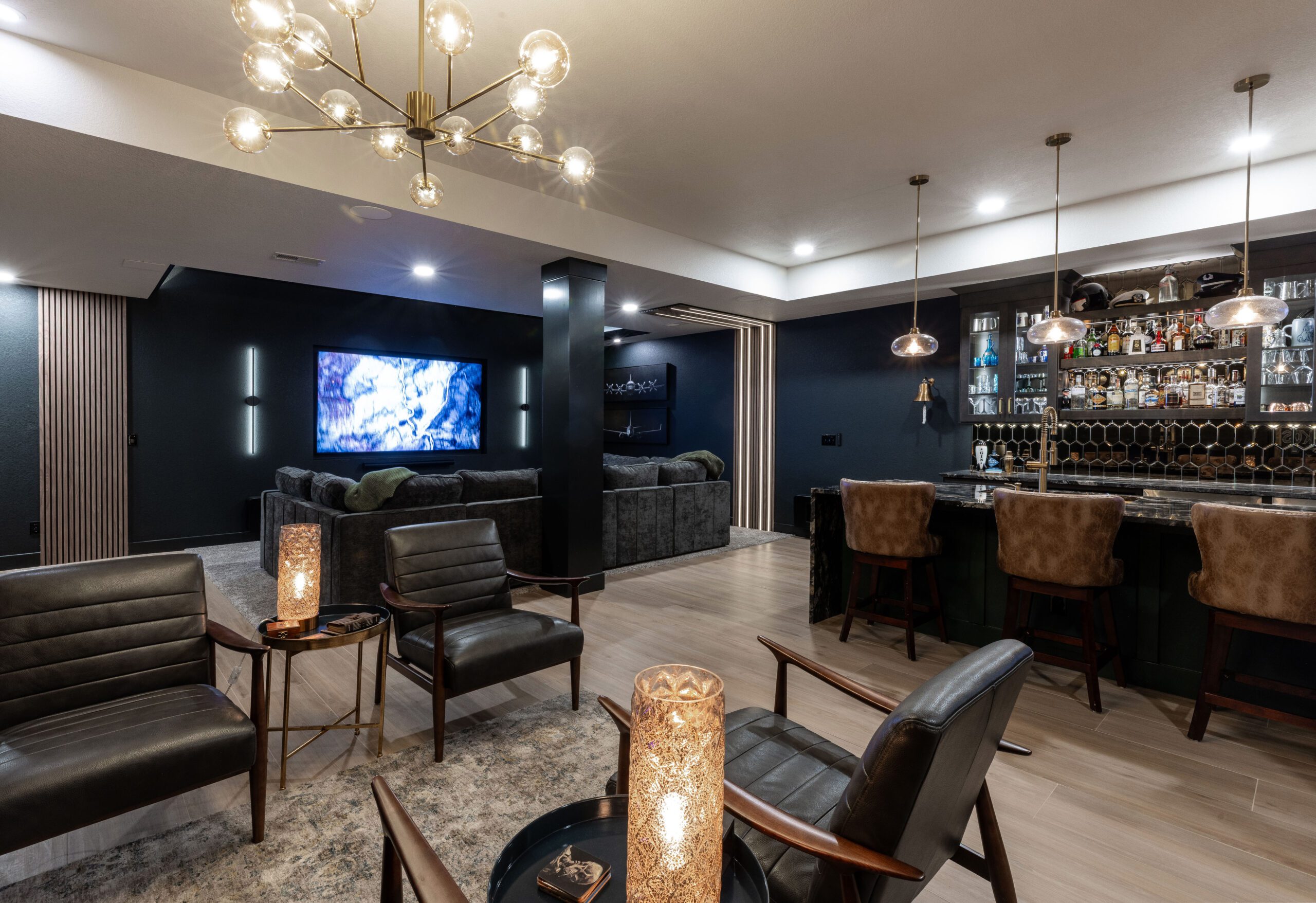
A clear, regulation-first guide for Colorado Springs homeowners planning a basement conversion
If you’re ROI-driven and thinking about converting a basement into a legal rental unit, you’re asking the right questions: Is a basement ADU allowed where I live? What does the City require? What will inspections focus on? Colorado Springs has moved toward broader ADU allowance citywide, but “allowed” doesn’t mean “simple.” The difference between a nice finished basement and a rental-ready basement often comes down to access, life safety, utilities, fire protection, and documentation.
First: Colorado Springs does allow ADUs—basement ADUs included—with important exceptions
Colorado Springs City Council approved an ADU ordinance that streamlines standards and allows an ADU on properties with a single-family detached dwelling, with permitting handled through the Pikes Peak Regional Building Department (PPRBD). The City also notes an important carve-out: in the Wildland Urban Interface Overlay (WUI-O) district, attached and detached ADUs are not allowed. That means your first “yes/no” step is not guessing—it’s confirming your specific property constraints.
Reality check (important): If you’ve heard “Colorado Springs doesn’t allow ADUs,” that’s outdated. The City’s ADU page states the ordinance was approved on April 8, 2025, replacing prior ADU/Accessory Family Suite rules with updated standards.
ADU vs. “finished basement”: the compliance gap that affects ROI
A finished basement is often designed for family use: a family room, rec room, home theater, gym, or a wet bar. An ADU (or any rental-intended space) raises the bar—especially around:
1) Independent access & circulation
The City calls out an access path standard (where possible) and other development requirements that can impact whether a basement ADU layout is feasible on your lot.
2) Life-safety elements (especially bedrooms)
Bedrooms in basements bring egress and emergency escape requirements into sharp focus. Even when homeowners don’t plan to “rent,” future buyers and appraisers often care whether rooms are legal bedrooms.
3) Permits, inspections, and documentation
PPRBD specifically lists a Residential Basement Finish plan type for Colorado Springs and surrounding jurisdictions. If you’re creating an ADU, you should expect additional scope beyond a typical “finish,” but the basement finish pathway is often where homeowners start the conversation and permitting process.
Step-by-step: how to evaluate a basement ADU plan before you spend on design
Step 1: Confirm you’re not in an overlay that blocks ADUs
The City notes that WUI-O is a meaningful restriction where attached/detached ADUs are not allowed. Before you plan a separate entrance, kitchenette, or suite configuration, confirm whether your property is affected.
Step 2: Decide whether you’re building a true ADU or a “future-proof” basement
If zoning/lot constraints make a legal ADU difficult, you can still build a basement that’s future-proof: egress-ready bedroom placements, a sensible mechanical room strategy, and plumbing rough-ins for a kitchenette or basement bathroom. That preserves flexibility without forcing a full “unit conversion” today.
Step 3: Map egress and sleeping-room placement early
If your plan includes bedrooms, place them where adding or enlarging an egress opening is structurally practical. This isn’t just a “code box to check”—it affects excavation, window wells, drainage, and exterior grading.
Step 4: Choose basement-appropriate finishes (flood reality matters)
For Colorado basements, material selection should assume moisture risk. At ElkStone Basements, practical, basement-friendly flooring choices commonly include LVP, tile, carpet, and rubber gym flooring (especially in workout zones). If your goal is a rental-ready build, durability and cleanability should lead.
Step 5: Plan for inspections from day one
PPRBD offers online permitting pathways and defines a Residential Basement Finish plan type that applies across Colorado Springs and nearby municipalities. Even if your scope becomes “ADU-level,” aligning drawings, trade work, and inspection sequencing early helps avoid costly rework.
Quick comparison table: “basement finish” vs. “basement ADU-ready” planning
| Planning Area | Typical Finished Basement | ADU / Rental-Ready Mindset |
| Layout | Open rec areas, entertainment zones | Defined private spaces; circulation that supports separate use |
| Bedrooms | Optional, sometimes undersized windows | Egress-first placement; sleeping rooms planned around safety |
| Plumbing | Wet bar or bath as an upgrade | Rough-ins for bath + kitchenette; think long-term flexibility |
| Permitting | Basement finish permit path | Basement finish + any added ADU requirements; more scrutiny |
| Resale/ROI | Adds livable square footage | Adds flexibility; supports legal-rental narrative when compliant |
Note: final feasibility is property-specific and depends on City requirements and PPRBD plan review/inspections.
Local angle: what “Colorado Springs basement ADU rules” means in practice
Homeowners across El Paso County are balancing rising housing costs with practicality. Colorado Springs’ ADU framework is meant to remove barriers and allow ADUs broadly, but it also includes development standards and location-based limitations (like WUI-O). For most homeowners, the fastest path to clarity looks like:
A simple 3-check approach:
Check 1: Is the property eligible for an ADU under City rules (including overlays)?
Check 2: Can you meet access/path, parking, and any other development requirements called out by the City?
Check 3: Can the basement be built and inspected under PPRBD permitting without compromises on life safety?
If your goal is a legal rental unit, treat “basement finishing” and “ADU planning” as related—but not identical—projects. The right plan preserves value, minimizes inspection risk, and avoids building something that looks like a unit but can’t be rented legally.
Talk through your basement ADU goals with a basement-only remodeling team
ElkStone Basements specializes exclusively in basement renovations—so we’re built for the details that make or break a rental-ready basement: smart layouts, basement-appropriate materials, and planning around inspections and long-term flexibility.
Request a Basement Consultation | Explore Express Basement Finishing | View Basement Portfolio
FAQ: Colorado Springs basement ADU rules & basement finishing questions
The City states its ADU ordinance allows development of an ADU on any property with a single-family detached dwelling, subject to development requirements and exceptions (such as WUI-O restrictions).
The City’s ADU page notes that in the WUI-O district, detached and attached ADUs are not allowed and may not be constructed.
PPRBD provides a “Residential Basement Finish” plan type for Colorado Springs and nearby jurisdictions, indicating a structured permit/review path for basement finishing work.
Not automatically. An ADU is a defined use with development and building requirements. Many homeowners add “future-proof” features (like plumbing rough-ins) without claiming it as a separate dwelling until they confirm eligibility and permitting requirements.
For basements along Colorado’s Front Range, moisture risk is real. LVP and tile are popular for durability and easy cleaning, while carpet can work well in low-risk zones, and rubber flooring is a strong choice for home gyms.
Start with The ElkStone Experience, browse basement design ideas, or review our FAQ page.
Glossary (plain-English)
ADU (Accessory Dwelling Unit): A secondary dwelling on the same lot as a primary home. In Colorado Springs, compliant ADUs are authorized through a building permit administered by PPRBD.
WUI-O (Wildland Urban Interface Overlay): A city overlay district tied to wildfire risk. Colorado Springs notes that attached and detached ADUs are not allowed in WUI-O.
PPRBD (Pikes Peak Regional Building Department): The regional authority that administers building permits and inspections for Colorado Springs and several surrounding communities, including residential basement finish plan types.
Future-proof (basement design): Designing a finished basement so it can be upgraded later—often with plumbing rough-ins, smart mechanical layout, and bedroom placements that make code-compliant egress achievable.

Recent Comments