
A practical guide for Front Range homeowners building a true wine room—not just a rack in the corner
What your cooling system is really doing (and why basements are different)
If the room is not sealed and insulated correctly, the cooling system ends up fighting constant heat and moisture infiltration. That can cause short cycling, inconsistent temperatures, excess condensation, and higher operating cost. A well-built cellar is less about buying the biggest unit and more about building a controlled environment the unit can maintain efficiently.
Target conditions: temperature, humidity, and consistency
Basement wine cellar cooling options (ductless vs. ducted)
The build details that make cooling work (power, vapor, insulation, acoustics)
Did you know? Quick facts that help you avoid common mistakes
Designing the wine room as part of a finished basement (not an afterthought)
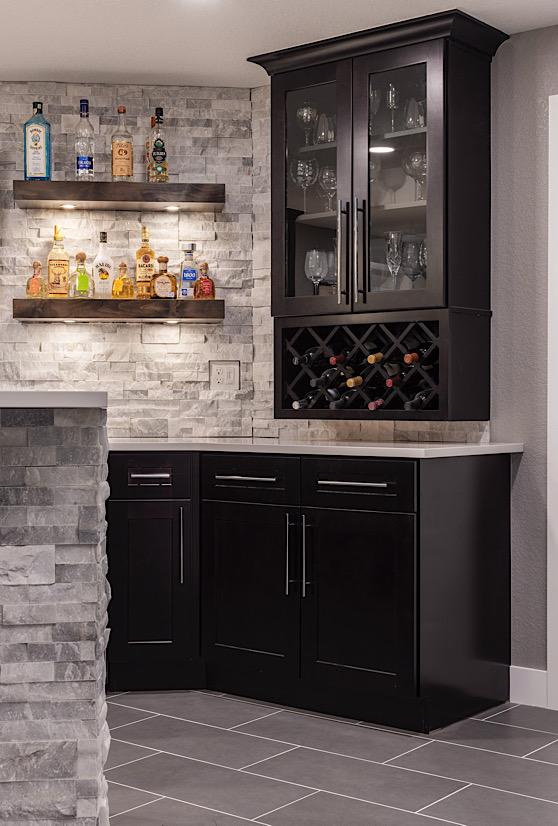
If you’re pairing wine storage with hosting, consider building the cellar adjacent to a custom wet bar or basement kitchenette—then keep the wine room itself sealed with an exterior-rated door system and proper weatherstripping. This gives you the “showpiece” experience while protecting the bottles behind a true thermal boundary.
If your basement plan includes a specialty room (like a golf simulator, craft room, or gym), it’s also smart to locate the wine cellar where the cooling system’s rejected heat won’t fight your comfort zones.
Colorado-specific considerations (Front Range realities)
Another local reality: basements can be vulnerable to moisture events (from groundwater to plumbing). Any wine room should be planned with durable materials, smart drainage planning, and a “what if” mindset—so a future leak doesn’t turn into a demolition project.
If you’re building a complete lower level, it helps to design the wine cellar as one piece of a cohesive plan—like a custom basement finishing project—rather than carving it out after the basement is already framed.


Recent Comments