
Basement Gym Design Ideas for Colorado Homes: Build a Quiet, Durable, Moisture-Smart Workout Space

All Posts

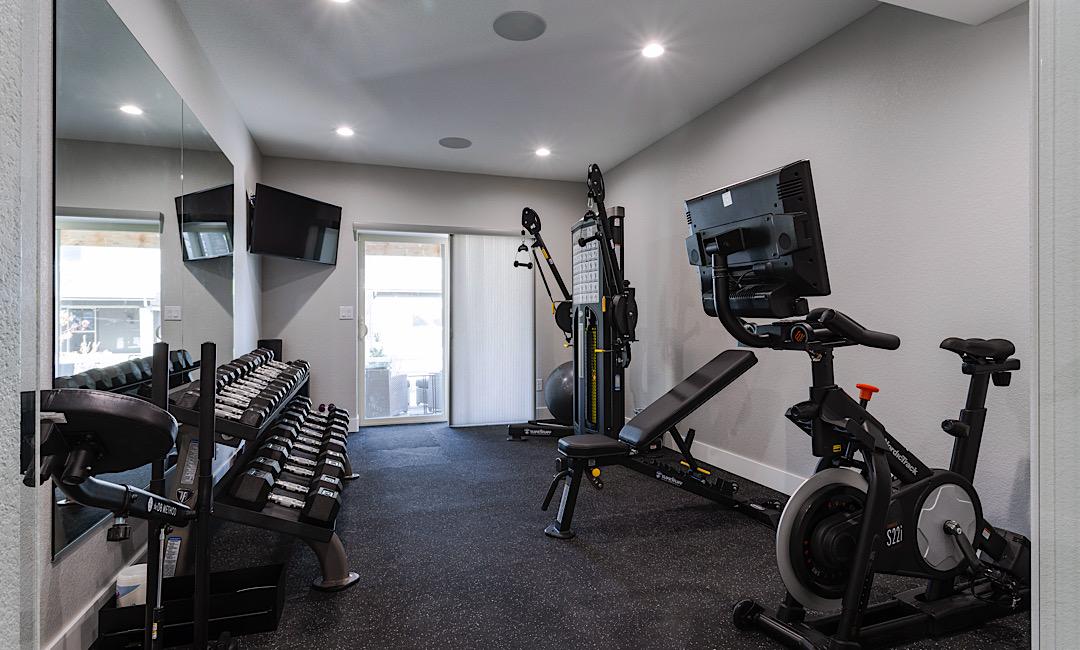
A home gym that feels intentional—not like equipment parked next to storage

Colorado homeowners are using finished basements for lifestyle upgrades: strength training, yoga, recovery, and even hybrid work. The difference between a gym you use daily and one you avoid usually comes down to a few technical details—flooring choices that tolerate moisture, power placed where you actually need it, ventilation that keeps the air fresh, and sound control that respects the rest of the house. This guide shares basement gym design ideas that work especially well along Colorado’s Front Range, with practical requirements you’ll want to plan before finishing starts.
Quick reality check for basements in Colorado: finishing a basement changes how it performs. More insulation and drywall can trap moisture, new rooms need code-compliant electrical and safety planning, and Colorado’s radon risk makes post-finish testing a smart step. Colorado’s Department of Public Health and Environment notes elevated radon is common statewide and recommends testing at the lowest livable level (often the basement). 

1) Start with a “gym zone plan” (before picking equipment)

A basement gym works best when you design around zones, not just machines. Most homeowners do well with three:

Zone A: Strength (rack, dumbbells, bench, platform)
Zone B: Conditioning (rower, bike, treadmill, sled substitute)
Zone C: Mobility & recovery (mat space, stretching, sauna blanket, massage gun station)

This matters because each zone has different needs for floor thickness, ceiling clearance, ventilation, and power. Designing the zones first also keeps the room from becoming a catch-all—especially in open-concept basements that share space with a family room or rec room.

2) Flooring that survives real basements (and real workouts)

For Colorado basements, flooring has to do two jobs: handle occasional moisture events and handle impact/noise. ElkStone Basements commonly recommends (and builds with) options like LVP, tile, carpet, and rubber gym flooring—each with a different “best use.”
Flooring optionBest forWhat to watchPro tip
LVPMulti-use basements (gym + office + hangout)Can transmit impact noise; needs the right underlayment strategyUse rubber in the heavy lifting zone on top (or create an inset “platform” area)
Rubber gym flooringStrength zone, weights, plyometrics, noise controlMoisture management + seams + edge transitionsPlan a clean perimeter transition to avoid tripping and keep the room looking finished
TileYoga + recovery zones; near a bath, kitchenette, or wet barCold underfoot; hard on joints; noisy under impactPair with area mats where you kneel or stretch
CarpetLow-impact workouts; family-friendly spaces adjacent to gymSweat cleanup; heavy equipment dents; moisture sensitivityKeep carpet outside the lifting zone; use rubber inside the gym zone
If your dream is a full “performance room,” a common winning layout is LVP through the basement with a defined rubber gym zone for the rack/weights. That keeps the space comfortable for everyday living while still protecting the slab (and your ears) where it matters.

3) Power, lighting, and “where the outlets go” (the part most people regret)

Basement gyms quietly become tech-heavy: treadmill, rower, TV, soundbar, Wi‑Fi mesh node, fan, phone charging, maybe a mini-fridge. Many Colorado jurisdictions follow IRC/NEC-based rules for outlet spacing and safety devices, and local handouts commonly highlight tamper-resistant receptacles and practical outlet placement expectations in finished living areas. Step-by-step: a basement gym electrical plan that feels effortless

1) Sketch equipment locations first (even roughly).
2) Add a TV wall or mirror wall concept—this dictates power and low-voltage routing. (If you love built-ins, see specialty designs.)
3) Plan a dedicated circuit for higher-draw cardio equipment where needed (your electrician will confirm based on the specific unit).
4) Use layered lighting: bright overhead for training + softer perimeter lighting for early mornings.
5) Reserve one “future outlet” spot for upgrades (towel warmer, air purifier, red-light panel, etc.).

4) Ventilation + comfort: the difference between “basement air” and fresh air

Basements can feel stuffy because they’re below grade, cooler, and often tighter after finishing. A gym amplifies that with humidity from breathing and sweat. Plan for:

Balanced HVAC (supply + return strategy so air actually moves).
Dehumidification awareness (especially in spring/summer storms).
Odor control (materials + airflow, not just candles).
Radon testing after the basement becomes a regularly used space; CDPHE recommends testing the lowest occupied level. 

If you’re building a gym next to a basement bathroom or adding a kitchenette, ventilation planning becomes even more valuable—those spaces add moisture and odors, too.

5) Sound and vibration control (so the rest of the house stays calm)

If you lift, jump rope, or run on a treadmill, you’re creating vibration that travels through framing. Smart design choices reduce that:

Use rubber in high-impact zones to dampen drop noise.
Keep the rack away from shared walls (especially under bedrooms).
Choose solid doors if the gym is in an enclosed room.
Add soft surfaces intentionally (acoustic panels, upholstered bench, curtains in an adjacent lounge area).

If you want the gym to feel like part of a lifestyle basement, pairing it with a lounge space—like a basement fireplace area—creates a “train + recover” experience that’s easy to stick with.

6) Code and safety items that affect gym layouts

A gym itself usually doesn’t require egress windows the way a bedroom does, but your overall basement plan can. If you add a bedroom (or convert a room to sleeping use), Colorado jurisdictions commonly require an emergency escape and rescue opening (egress) that meets IRC-based minimums, including a minimum net clear opening area (often cited at 5.7 sq. ft.) and a maximum sill height (often 44 inches above the floor). 

Design takeaway: if your “gym” might later become a bedroom, plan for those life-cycle decisions early—layout, window placement, and permits are easier to handle upfront than after finishes are installed.

Colorado angle: what Front Range homeowners should plan for

Along the Front Range, basements are a major part of how homes live—especially when families want more functional space without moving. A few Colorado-specific planning habits make basement gyms more successful:

Radon: Test before and after finishing, and retest after major HVAC or envelope changes. CDPHE notes radon is common in Colorado homes and provides guidance on testing and mitigation. 
Storm-season moisture: Choose materials and details that don’t panic when humidity spikes or a minor leak happens.
Permit reality: Finishing work typically triggers permits/inspections when you’re adding electrical, plumbing, HVAC modifications, or changing window wells—so having a contractor who specializes in basements streamlines the process.

If you’re considering a faster timeline with smart, future-proof features, explore Express Basement Finishing. If you’re finishing outside Colorado, ElkStone also offers basement finishing in Utah.


Ready to plan a basement gym that looks great and performs even better?

ElkStone Basements specializes exclusively in basement renovations—so details like moisture-smart material choices, outlet planning, and sound control are designed in from the start (not patched in later).

FAQ: Basement gym design ideas (Colorado)

What’s the best basement gym flooring for heavy weights?

For a lifting zone, rubber gym flooring is the go-to because it reduces impact noise and helps protect the concrete slab. Many homeowners use LVP in the rest of the basement and “zone” rubber under the rack and dumbbells for performance and a clean finished look.

Should a basement gym have a dehumidifier in Colorado?

Often, yes—especially if the basement has seasonal humidity swings or you train hard and generate moisture. The best approach is pairing good HVAC airflow with humidity control (instead of relying on one device to “fix” the room).

Do I need an egress window for a basement gym?

Typically, egress is required for basement bedrooms and sleeping rooms—not for a gym alone. But if your layout includes a bedroom (or you want the gym to be convertible to a legal bedroom later), plan for IRC-based egress requirements early (commonly 5.7 sq. ft. net clear opening and a max 44-inch sill height, depending on the local jurisdiction). 

Should I test for radon if my basement becomes a finished gym?

Yes—because you’ll spend more time breathing in that space. CDPHE recommends placing a radon test in the lowest livable level of the home (often the basement) and notes that elevated radon is common in Colorado. 

Glossary (helpful gym + basement terms)

Egress (EERO): “Emergency Escape and Rescue Opening”—a code term for an opening (often a window) that allows emergency exit/entry from a basement or sleeping room. 
Net clear opening: The usable open area of an egress window when it’s fully opened (not the glass size).
LVP: Luxury Vinyl Plank—durable, water-resistant flooring commonly used in finished basements.
Underlayment: A thin layer under flooring that can help with sound, minor subfloor variation, and comfort (the right type depends on the flooring system).
Radon mitigation: A set of measures (often sub-slab depressurization with a fan and vent pipe) used to reduce indoor radon levels after testing indicates elevated results.
Basement Home Theater Ideas That Actually Work: Layout, Acoustics, Lighting, and Power (Colorado Guide)

Basement Home Theater Ideas That Actually Work: Layout, Acoustics, Lighting, and Power (Colorado Guide)

Turn unused square footage into your favorite room—without the “echo chamber” or tangled-cord look Colorado homeowners are rethinking basements as true lifestyle spaces: a theater for movie nights, a gaming lounge for weekends, or a hybrid “cinema + rec room” that...

Archives